Essential Considerations for Designing a Website for Manchester-Based Charities
Explore essential factors for designing impactful websites for Manchester-based charities, enhancing engagement and community connection.

When embarking on the journey of web design in Manchester for a charity, it is essential to recognise that these organisations have unique needs that differ significantly from traditional businesses. Charities often operate within specific local contexts, addressing pressing social issues that resonate deeply with the community. Therefore, a one-size-fits-all approach to website design is inadequate; instead, a tailored strategy that reflects the charity's mission and the local culture is paramount. Manchester is a city rich in diversity and history, and its charities play a vital role in supporting various causes, from homelessness to mental health awareness. Understanding the local landscape is crucial for any charity looking to engage effectively with its audience.
This means not only incorporating local imagery and language but also ensuring that the website serves as a platform for community engagement and support. A well-designed charity website should act as a bridge between the organisation and its supporters, fostering a sense of belonging and encouraging active participation. Moreover, the digital landscape is constantly evolving, and Manchester charities must adapt to these changes to remain relevant. This includes embracing modern web design trends that enhance user experience while ensuring accessibility for all users. By focusing on the specific needs of Manchester-based charities, web designers can create impactful websites that not only inform but also inspire action.
In this article, we will delve deeper into the critical factors that should be considered when designing a website for a charity in Manchester, ensuring that it meets both organisational goals and community expectations.
Local Relevance: Connecting with the Community
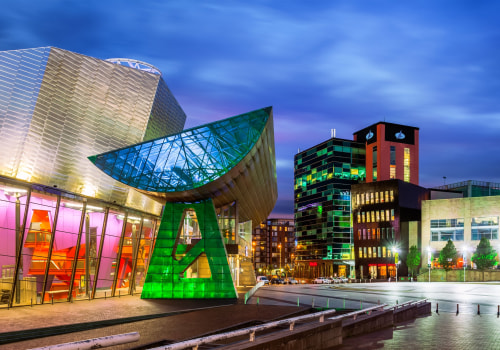
When designing a website for a charity based in Manchester, local relevance is paramount. This concept goes beyond mere aesthetics; it involves creating a digital space that resonates with the community's identity and values. By incorporating elements of Manchester's rich culture, charities can foster a deeper connection with their audience, encouraging engagement and support. One effective way to achieve this is through the use of local imagery. Photographs of iconic Manchester landmarks, such as the Manchester Town Hall, the Lowry, or the vibrant streets of the Northern Quarter, can evoke a sense of familiarity and pride among visitors.These visuals not only beautify the website but also remind users of their shared experiences within the city. Moreover, integrating local language and dialect into the website's content can significantly enhance relatability. Using phrases and expressions that are unique to Manchester can create a welcoming atmosphere for users. For instance, incorporating local slang or references to popular events, such as the Manchester International Festival, can make the content feel more personal and engaging. Additionally, highlighting community stories and testimonials from local beneficiaries can further strengthen this connection. By showcasing real-life examples of how the charity has impacted individuals within Manchester, potential donors and volunteers can see the tangible effects of their contributions.
This storytelling approach not only informs but also inspires action. In summary, prioritising local relevance in web design is essential for Manchester-based charities. By weaving together local imagery, language, and community narratives, these organisations can create a website that not only informs but also resonates deeply with its audience, ultimately driving greater engagement and support.
User-Friendly Design: Enhancing Visitor Experience
Creating a user-friendly design is paramount for any charity website, especially for those based in Manchester. A well-structured website not only enhances the visitor experience but also encourages engagement and action. When users can navigate a site effortlessly, they are more likely to explore its content and take the desired actions, such as donating or volunteering.Intuitive Navigation
One of the key components of a user-friendly design is intuitive navigation.
Visitors should be able to find what they are looking for without confusion or frustration. This can be achieved by:
- Clear Menu Structure: Organise the main menu into logical categories that reflect the charity's mission and services. For instance, sections like "Get Involved," "Our Impact," and "Events" should be easily accessible.
- Search Functionality: Implement a search bar that allows users to quickly locate specific information. This is particularly useful for larger charities with extensive content.
- Bread Crumbs: Use breadcrumb navigation to help users understand their location within the site.
This feature allows them to backtrack easily if they wish to explore related topics.
Mobile Optimization
With an increasing number of users accessing websites via mobile devices, mobile optimization is no longer optional; it is essential. A responsive design ensures that your charity's website adapts seamlessly to various screen sizes, providing a consistent experience across devices. Key considerations include:
- Responsive Layout: Ensure that images, text, and buttons resize appropriately on smaller screens. This prevents users from having to zoom in or scroll excessively.
- Touch-Friendly Elements: Design buttons and links that are easy to tap on mobile devices.
Avoid placing clickable elements too close together, which can lead to accidental clicks.
- Fast Loading Times: Optimise images and reduce unnecessary scripts to enhance loading speeds on mobile networks. A slow-loading site can deter potential supporters from engaging with your charity.
Effective Call-to-Actions: Driving Engagement and Donations
In the realm of charity websites, effective call-to-actions (CTAs) are pivotal in guiding visitors towards meaningful engagement. A well-placed and clearly articulated CTA can significantly influence a visitor's decision to donate, volunteer, or participate in events.Therefore, understanding the nuances of CTA strategies is essential for any Manchester-based charity aiming to maximise its online impact.
Strategic Placement
- CTAs should be strategically positioned throughout the website to capture attention at critical moments. For instance, placing a prominent donation button on the homepage ensures that visitors can easily find it without having to navigate through multiple pages.
- Consider integrating CTAs within content that tells compelling stories about the charity’s impact. This contextual placement can enhance emotional engagement and prompt visitors to act immediately after being inspired.
Clarity and Simplicity
The language used in CTAs must be clear and direct. Phrases like "Donate Now" or "Join Us Today" are straightforward and leave no room for ambiguity.
Avoid jargon or overly complex phrases that may confuse potential supporters. The goal is to make the action as easy as possible for the visitor.
Visual Appeal
The design of CTAs should also not be overlooked. Use contrasting colours that stand out against the website’s background, ensuring they catch the eye. Additionally, incorporating buttons rather than text links can make CTAs more visually appealing and clickable.
Urgency and Incentives
- Creating a sense of urgency can motivate visitors to act quickly.
Phrases like "Limited Time Offer" or "Donate by Midnight to Double Your Impact" can encourage immediate action.
- Offering incentives, such as matching donations or exclusive updates for donors, can also enhance the appeal of your CTAs. This not only drives engagement but also fosters a sense of community among supporters.
A/B Testing
Finally, it’s crucial to continually assess the effectiveness of your CTAs through A/B testing. Experiment with different phrases, designs, and placements to determine what resonates best with your audience. This data-driven approach allows you to refine your strategies over time, ensuring that your CTAs remain effective in driving donations and engagement. In conclusion, by implementing clear, strategically placed, and visually appealing CTAs, Manchester-based charities can significantly enhance their website's ability to engage visitors and convert them into active supporters.
The right CTAs not only facilitate donations but also foster a deeper connection between the charity and its community.
Accessibility: Ensuring Inclusivity for All Users
When designing a website for a charity in Manchester, accessibility is a fundamental aspect that cannot be overlooked. Ensuring that your website is accessible means creating an inclusive environment where all users, regardless of their abilities or disabilities, can navigate and engage with your content effectively. This is particularly important for charities, as they often serve diverse communities that may include individuals with varying needs. To achieve true inclusivity, consider the following key elements:- Alternative Text for Images: Every image on your website should have descriptive alt text. This allows screen readers to convey the content of images to visually impaired users, ensuring they can understand the context and significance of visual elements.
- Keyboard Navigation: Many users with mobility impairments rely on keyboard navigation rather than a mouse.
Ensure that all interactive elements, such as forms and buttons, can be accessed and operated using keyboard shortcuts.
- Clear and Consistent Layout: A well-structured layout helps all users navigate your site more easily. Use headings, lists, and consistent navigation menus to guide users through your content logically.
- Readable Fonts and Colour Contrast: Choose fonts that are easy to read and ensure there is sufficient contrast between text and background colours. This is crucial for users with visual impairments or dyslexia.
- Closed Captioning for Videos: If your charity uses video content, provide closed captions or transcripts. This not only aids those who are deaf or hard of hearing but also benefits users who may prefer reading over listening.
Optimising your website for faster loading times can significantly enhance the experience for these individuals. This can be achieved by:
- Compressing Images: Use image formats that reduce file size without sacrificing quality.
- Avoiding Heavy Scripts: Minimise the use of complex scripts that can slow down loading times.
- Mobile Optimisation: Ensure your site is responsive and functions well on various devices, including older smartphones and tablets.
Consistent Branding: Building Trust and Recognition
In the competitive landscape of charitable organisations, establishing a strong and consistent brand is essential for fostering trust and recognition among potential donors and volunteers. A well-defined brand not only communicates the mission and values of the charity but also creates a sense of familiarity and reliability that can significantly influence a visitor's decision to engage with the organisation.Visual Identity
plays a pivotal role in branding.
This includes the charity's logo, colour palette, typography, and overall design aesthetic. When these elements are consistently applied across all digital platforms, including the website, social media, and promotional materials, they create a cohesive visual identity that is easily recognisable. For instance, if a Manchester-based charity uses a specific shade of blue in its logo, this colour should be reflected throughout the website and in all marketing materials. This consistency helps to reinforce the charity's identity in the minds of visitors. Moreover, branding strategies should extend beyond mere visuals.
The tone of voice used in written content is equally important. A charity that communicates with warmth and empathy can resonate more deeply with its audience. For example, using inclusive language that speaks directly to the community can enhance emotional connections. This approach not only builds trust but also encourages visitors to feel part of a larger mission. To further strengthen brand recognition, charities should consider implementing storytelling techniques.
Sharing impactful stories about beneficiaries or showcasing volunteer experiences can humanise the brand and illustrate its impact within the Manchester community. These narratives can be featured prominently on the website, perhaps in a dedicated section or as part of a blog, allowing visitors to see the real-world effects of their contributions. Finally, maintaining consistent branding across all channels is crucial for building long-term relationships with supporters. Regularly updating content while ensuring it aligns with established branding guidelines will help keep the charity relevant and trustworthy in the eyes of potential donors and volunteers. By prioritising consistent branding strategies, Manchester-based charities can effectively cultivate trust and recognition, ultimately leading to increased engagement and support.
Engaging Content: Telling Your Charity's Story
Creating engaging content is vital for any charity's website, especially for those based in Manchester.The content serves as the voice of the charity, conveying its mission, values, and the impact it has on the community. A well-crafted content strategy not only informs visitors but also inspires them to take action, whether that means donating, volunteering, or spreading the word about the charity's work. At the heart of effective content lies storytelling. By sharing compelling stories about the individuals and communities that benefit from the charity's efforts, you can create an emotional connection with your audience. These narratives should highlight real-life experiences and showcase the tangible outcomes of donations and support.
For instance, featuring a success story of a family helped by the charity can resonate deeply with potential donors, making them more likely to contribute. To enhance your storytelling approach, consider incorporating various content formats:
- Written Articles: Blog posts or articles that delve into specific projects or initiatives can provide depth and context.
- Videos: Short videos featuring testimonials from beneficiaries or volunteers can be powerful tools for engagement.
- Infographics: Visual representations of data related to your charity’s impact can make complex information more digestible.
- Social Media Posts: Regular updates on platforms like Facebook and Instagram can keep your audience engaged and informed.
By weaving together engaging narratives with actionable steps, you can create a website that not only informs but also inspires visitors to become active participants in your mission.
SEO Best Practices for Charity Websites in Manchester
When it comes to enhancing the online presence of a charity in Manchester, implementing effective SEO strategies is essential. A well-optimised website not only increases visibility but also helps attract potential donors and volunteers who are crucial for the charity's success. Here are some tailored SEO best practices specifically for charity websites operating in Manchester.1.Local SEO Optimisation
- Google My Business: Ensure your charity is listed on Google My Business. This free tool allows you to manage how your charity appears on Google Search and Maps, making it easier for local individuals to find you.
- Local Keywords: Incorporate local keywords such as "charity in Manchester" or "Manchester community support" throughout your website content.
This helps search engines understand your location and relevance to local searches.
- Location Pages: If your charity serves multiple areas within Manchester, consider creating dedicated pages for each location. This can improve your chances of ranking higher in local search results.
2.Quality Content Creation
Producing high-quality, engaging content is vital for SEO. Share stories about the impact of your charity's work, testimonials from beneficiaries, and updates on events. This not only informs visitors but also encourages them to share your content, increasing backlinks and improving your site's authority.
3.Mobile Optimisation
With a significant number of users accessing websites via mobile devices, ensure that your charity's website is mobile-friendly.
A responsive design improves user experience and is favoured by search engines, which can positively impact your rankings.
4.On-Page SEO Techniques
- Meta Tags: Use descriptive meta titles and descriptions that include relevant keywords. This helps search engines understand the content of your pages and improves click-through rates from search results.
- Header Tags: Organise your content using header tags (H1, H2, H3) to improve readability and SEO. Ensure that these headers include relevant keywords where appropriate.
- Image Optimisation: Use alt text for images that describes the content while incorporating keywords. This not only aids in SEO but also improves accessibility for visually impaired users.
5.Building Backlinks
A strong backlink profile can significantly enhance your website's authority.
Reach out to local businesses, community blogs, and news outlets to share your charity's mission and achievements. Collaborating with other organisations can lead to valuable backlinks that improve your site's visibility. By implementing these SEO best practices, charities in Manchester can enhance their online presence, engage with their community more effectively, and ultimately drive more support for their cause.
Case Studies: Successful Charity Websites in Manchester
To understand the impact of effective web design for charities in Manchester, it is beneficial to examine real-life examples of successful charity websites. These case studies not only highlight the importance of thoughtful design but also demonstrate how a well-executed online presence can significantly enhance a charity's outreach and engagement.1.Manchester Mind
Manchester Mind is a charity dedicated to supporting mental health in the local community. Their website exemplifies user-friendly design with a clean layout that prioritises accessibility.The homepage features vibrant imagery and clear navigation, making it easy for visitors to find information about services, events, and ways to get involved. The use of local imagery resonates with the community, fostering a sense of connection.
2.The Booth Centre
The Booth Centre, which supports the homeless population in Manchester, has a website that effectively communicates its mission and impact. The site utilises engaging storytelling through impactful visuals and testimonials from those who have benefited from their services. Clear calls-to-action encourage visitors to donate or volunteer, demonstrating how strategic placement of CTAs can drive engagement.3.Forever Manchester
Forever Manchester focuses on funding community projects across Greater Manchester.Their website stands out due to its vibrant colour scheme and interactive elements that invite user participation. The site features a dedicated section for success stories, showcasing the positive outcomes of funded projects. This not only builds trust but also encourages potential donors to contribute.
4.Greater Manchester Poverty Action
This charity addresses poverty issues in the region and has a website that is both informative and visually appealing. The use of infographics helps convey complex data in an easily digestible format, making it accessible to all visitors.Additionally, their blog section provides valuable insights into ongoing initiatives and community needs, further establishing their authority in the sector. These examples illustrate that successful charity websites in Manchester share common traits: they are visually appealing, user-friendly, and effectively communicate their mission while encouraging visitor engagement. By analysing these case studies, other charities can glean valuable insights into how to enhance their own online presence and ultimately achieve greater impact within their communities.
<strong>Conclusion</strong>: Key Takeaways for Designing Charity Websites in Manchester
In conclusion, designing a website for a charity based in Manchester involves a multifaceted approach that takes into account various critical factors. Each element plays a significant role in ensuring that the website not only serves its purpose but also resonates with the local community and encourages engagement.- Local Relevance: It is essential to incorporate elements that reflect the unique culture and values of Manchester. This can be achieved through local imagery, language, and references to significant events or landmarks.
Such features create a sense of familiarity and connection with visitors.
- User-Friendly Design: A clean, intuitive layout is vital for guiding users through the site. Given that many visitors may access the site via mobile devices, ensuring a responsive design that adapts to various screen sizes is crucial for providing a positive user experience.
- Clear Call-to-Actions: Prominent and strategically placed CTAs are necessary to drive conversions. Whether it’s encouraging donations or event registrations, these prompts should be easily identifiable and compelling.
- Accessibility: Making the website accessible to all individuals, including those with disabilities, is not just a legal requirement but also an ethical obligation. Features like alt text for images and keyboard navigation options enhance usability for everyone.
- Consistent Branding: Maintaining consistent branding throughout the website helps establish trust and credibility.
The design should align with the charity's mission and values, reinforcing its identity in the eyes of potential donors and volunteers.
- Engaging Content: The content should not only inform but also inspire action. Compelling storytelling, impactful visuals, and tailored messaging can significantly enhance visitor engagement.