Navigating the Common Challenges Faced by Web Designers in Manchester
Explore the key challenges faced by web designers in Manchester, from client expectations to technological advancements and budget constraints.

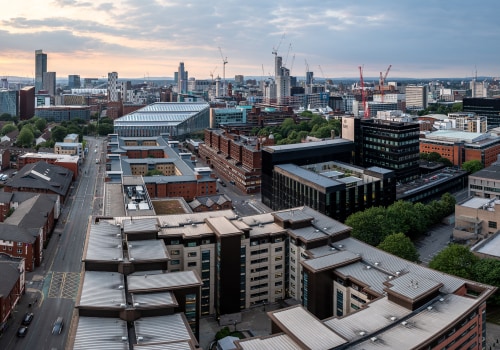
The landscape of web design in Manchester is as dynamic and diverse as the city itself, with businesses investing significant pounds to establish a robust online presence. As a hub of creativity and innovation, Manchester boasts a thriving digital industry that attracts a multitude of businesses. However, this vibrant environment also presents a unique set of challenges for web designers who must navigate the complexities of client expectations, technological advancements, and market competition. One of the most pressing issues faced by designers in this bustling metropolis is the rapid pace at which the digital world evolves. New technologies, frameworks, and design trends emerge almost daily, compelling designers to continuously update their skills and knowledge. is as dynamic and diverse as the city itself, with businesses investing significant pounds to establish a robust online presence. As a hub of creativity and innovation, Manchester boasts a thriving digital industry that attracts a multitude of businesses. However, this vibrant environment also presents a unique set of challenges for web designers who must navigate the complexities of client expectations, technological advancements, and market competition. One of the most pressing issues faced by designers in this bustling metropolis is the rapid pace at which the digital world evolves. New technologies, frameworks, and design trends emerge almost daily, compelling designers to continuously update their skills and knowledge.
This relentless demand for adaptation can be both exhilarating and daunting, as professionals strive to remain relevant in an ever-changing landscape. Moreover, the competitive nature of the Manchester market means that web designers are often under pressure to deliver high-quality work within tight deadlines. Clients expect not only visually appealing websites but also functionality that enhances user experience. This expectation can lead to a challenging balancing act for designers who must manage their time effectively while ensuring that they meet or exceed client demands. In addition to these challenges, web designers in Manchester must also contend with varying budget constraints imposed by clients. Many businesses, particularly startups and small enterprises, may have limited financial resources yet still desire top-notch design services.
This situation necessitates a creative approach to problem-solving, where designers must find innovative solutions that align with client budgets without compromising on quality.
The Fast-Paced Nature of the Digital Industry
The digital landscape is in a state of constant flux, and for web designers in Manchester, this presents both opportunities and challenges. The rapid evolution of technology and design trends necessitates that designers remain agile and proactive in their approach to web design. This fast-paced environment can be exhilarating, but it also demands a commitment to continuous learning and adaptation. One of the most significant aspects of this fast-paced nature is the emergence of new technologies. From advanced coding languages to innovative design software, staying updated is crucial.Designers must not only familiarize themselves with these tools but also understand how to leverage them effectively to create engaging and functional websites. For instance, the rise of responsive design has transformed how websites are built, requiring designers to think about user experience across various devices. Moreover, the competition among web designers in Manchester is fierce. With numerous talented professionals vying for the same clients, standing out becomes imperative. Designers must showcase their unique skills and creativity while also being aware of current trends that resonate with potential clients.
This means regularly engaging with industry news, attending workshops, and participating in local design meetups to network and share insights. In addition to technical skills, soft skills play a vital role in navigating this fast-paced industry. Effective communication is essential when discussing project requirements with clients or collaborating with other professionals. Designers need to articulate their ideas clearly and be receptive to feedback, which can often lead to improved outcomes. Furthermore, the demand for quick turnaround times adds another layer of complexity. Clients often expect rapid delivery without compromising quality.
This pressure can lead to stress; however, it also encourages designers to refine their time management skills and develop efficient workflows. In conclusion, the fast-paced nature of the digital industry in Manchester requires web designers to be adaptable, innovative, and continuously learning. By embracing these challenges and leveraging them as opportunities for growth, designers can not only survive but thrive in this dynamic environment.
Managing Client Expectations Effectively
Effectively managing client expectations is a crucial aspect of the web design process, particularly in a bustling market like Manchester. Many clients enter the design process with preconceived notions about what web design entails, often influenced by DIY website builders and template-based solutions. This can lead to unrealistic expectations regarding timelines, costs, and the overall complexity of creating a professional website. One common misconception is that web design is a straightforward task that can be completed quickly and cheaply.Clients may not fully grasp the intricacies involved in crafting a bespoke website that meets their specific needs. As a result, it is essential for web designers to engage in open and honest communication from the outset.
Establishing Clear Communication
Strong communication skills are vital for web designers to bridge the gap between client expectations and the realities of the design process. Here are some strategies to enhance communication:- Initial Consultation: Begin with a thorough consultation to understand the client's vision, goals, and budget. This sets a solid foundation for the project.
-
Educate Clients: Take the time to explain the web design process, including stages such as research, wireframing, prototyping, and testing.
This helps clients appreciate the time and effort required.
- Set Realistic Timelines: Provide a clear timeline that outlines each phase of the project. Be transparent about potential delays and factors that could impact delivery.
- Regular Updates: Keep clients informed throughout the project with regular updates. This not only reassures them but also allows for timely feedback and adjustments.
Managing Feedback Effectively
Feedback is an integral part of the design process, but it can also be a source of frustration if not managed properly. Here are some tips for handling client feedback:-
Encourage Constructive Criticism: Foster an environment where clients feel comfortable sharing their thoughts.
Encourage them to provide specific feedback rather than vague comments.
- Clarify Changes: When clients request changes, ensure you understand their reasoning. Ask questions to clarify their vision and ensure alignment with their goals.
- Document Everything: Keep detailed records of all communications and feedback. This helps prevent misunderstandings and provides a reference point throughout the project.
Keeping Up with Technological Advancements
In the ever-evolving landscape of web design in Manchester, staying abreast of the latest technological advancements is not just beneficial; it is essential.As new tools and frameworks emerge, web designers must adapt to these changes to maintain their competitive edge. This necessity is particularly pronounced in a city like Manchester, where the digital market is both vibrant and saturated. One of the primary challenges faced by web designers, especially freelancers, is access to the latest resources and tools. Unlike larger agencies that can invest heavily in software and training, freelancers often operate on tighter budgets. This limitation can hinder their ability to utilise cutting-edge design tools that could enhance their workflow and output quality. Moreover, the rapid pace of technological change means that what was once considered state-of-the-art can quickly become obsolete.
For instance, coding languages such as JavaScript , HTML5 , and CSS3 are continually evolving, with new libraries and frameworks like React and Vue.js gaining popularity. Designers must not only learn these languages but also understand how to implement them effectively within their projects. To navigate these challenges, web designers in Manchester can adopt several strategies:
- Continuous Learning: Engaging in online courses, webinars, and workshops can help designers stay updated on the latest trends and tools.
- Networking: Joining local design communities or attending industry events can provide insights into what tools others are using successfully.
- Experimentation: Setting aside time for personal projects allows designers to explore new technologies without the pressure of client expectations.
- Utilising Open Source Tools: Many high-quality design tools are available for free or at a low cost, making them accessible for freelancers.
With dedication and resourcefulness, web designers in Manchester can harness these technologies to create innovative and effective websites that stand out in a crowded marketplace.
Overcoming Technical Issues in Web Design
In the realm of web design in Manchester, technical issues are an unavoidable reality that can significantly impact the workflow and final output of a project. These challenges can range from minor glitches to major roadblocks, and addressing them efficiently is crucial for maintaining client satisfaction and project timelines. One of the most common technical challenges faced by web designers is browser compatibility. With a multitude of browsers available, each with its own rendering engine, ensuring that a website looks and functions consistently across all platforms can be daunting. Designers must test their websites on various browsers such as Chrome, Firefox, Safari, and Edge to identify discrepancies in layout, functionality, and performance.This process often requires a keen eye for detail and a thorough understanding of how different browsers interpret HTML, CSS, and JavaScript. To tackle browser compatibility issues effectively, web designers can employ several troubleshooting techniques :
- Use of CSS Resets: Implementing CSS resets can help standardize styles across different browsers, reducing inconsistencies.
- Progressive Enhancement: This approach focuses on building a basic version of the website that works for all browsers while adding advanced features for those that support them.
- Feature Detection: Tools like Modernizr can help detect whether a browser supports certain features, allowing designers to provide fallbacks when necessary.
- Regular Updates: Keeping abreast of updates in browser technology and standards ensures that designers are aware of potential issues before they arise.
Familiarity with debugging tools available in most modern browsers can also streamline this process. In conclusion, while technical issues are an inherent part of web design in Manchester, employing effective troubleshooting techniques and maintaining strong technical knowledge can significantly ease the burden. By proactively addressing these challenges, web designers can enhance their efficiency and deliver high-quality websites that meet client expectations.
Working Within Budget Constraints
In the vibrant landscape of web design in Manchester, budget constraints are a common hurdle that many designers encounter. Clients often come with limited financial resources, expecting high-quality results without the corresponding investment. This situation can create significant challenges for web designers, who must balance quality and cost-effectiveness to meet client expectations. To navigate these financial limitations successfully, web designers can adopt several strategies:-
Prioritise Features: Begin by identifying the essential features that the client needs for their website.
By focusing on core functionalities, designers can allocate resources more effectively and avoid unnecessary expenses on less critical elements.
- Utilise Open Source Tools: Leveraging open-source platforms and tools can significantly reduce costs. Many robust content management systems (CMS) like WordPress or Joomla offer free templates and plugins that can be customised to fit the client's needs without incurring hefty licensing fees.
- Streamline the Design Process: Implementing a streamlined design process can save both time and money. Using wireframes and prototypes allows designers to visualise the project early on, reducing the likelihood of costly revisions later in the development phase.
- Educate Clients: Clear communication with clients about what is feasible within their budget is crucial. Educating them on the implications of their choices can help manage expectations and lead to more informed decision-making regarding their website's features and design.
-
Offer Tiered Pricing Packages: Providing clients with tiered pricing options can help them choose a package that fits their budget while still receiving quality service.
This approach allows clients to see what they can get at different price points, making it easier for them to make a decision.
Staying Creative in a Competitive Market
In the bustling digital landscape of Manchester, where numerous talented web designers compete for attention, creativity becomes a vital asset.To thrive in such a saturated market, designers must not only showcase their skills but also find ways to stand out through innovative design solutions. One effective strategy for maintaining creativity is to embrace a diverse range of influences. By exploring various design styles, art forms, and cultural elements, designers can infuse their work with unique perspectives. This approach not only broadens their creative horizons but also allows them to develop a distinctive style that resonates with clients.
Embracing Current Trends
While it’s essential to maintain a unique voice, staying updated with the latest trends in web design Manchester is equally important. Designers should regularly research emerging technologies and design methodologies.This can involve attending workshops, participating in online courses, or following industry leaders on social media. By integrating contemporary trends into their work while adding personal flair, designers can create websites that are both modern and reflective of their individual style.
Collaboration and Feedback
Another way to foster creativity is through collaboration. Working with other designers or professionals from different fields can spark new ideas and lead to innovative solutions. Engaging in constructive feedback sessions can also help refine concepts and push creative boundaries.By sharing ideas and receiving input from peers, designers can enhance their work and discover new avenues for creativity.
Experimentation and Risk-Taking
Creativity often flourishes in an environment that encourages experimentation. Designers should feel empowered to take risks with their projects, whether that means trying out unconventional layouts or exploring new colour palettes. Not every experiment will yield success, but each attempt contributes to growth and learning. Embracing failure as part of the creative process can lead to breakthroughs that set a designer apart from the competition. Ultimately, staying creative in a competitive market requires a balance of innovation and personal expression.By continuously seeking inspiration, embracing collaboration, and daring to experiment, web designers in Manchester can carve out their niche and deliver exceptional work that captivates clients and users alike.
Conclusion: Embracing Challenges for Success in Web Design
In conclusion, the landscape of web design in Manchester is both vibrant and challenging. As we have explored, web designers in this bustling city face a myriad of obstacles that can hinder their progress and creativity. However, it is essential to recognise that these challenges are not merely hurdles; they are opportunities for growth and innovation. From the fast-paced nature of the industry to the ever-evolving technological landscape, designers must remain agile and adaptable. The ability to stay updated with the latest trends and tools is crucial for maintaining a competitive edge.Moreover, effective time management and prioritisation skills are vital in meeting tight deadlines while ensuring high-quality output. Another significant challenge is managing client expectations. With many clients lacking a comprehensive understanding of design principles, it falls upon designers to educate them about the complexities involved in creating a professional website. This requires not only strong communication skills but also patience and empathy to navigate through unrealistic demands. Furthermore, technical issues can arise unexpectedly, necessitating a solid foundation in coding and troubleshooting. Designers must be prepared to tackle these problems head-on, often collaborating with developers to find swift solutions. Working within budget constraints is yet another reality for many web designers in Manchester.
Balancing quality with affordability can be daunting, but it also encourages creativity and resourcefulness in finding cost-effective solutions that do not compromise on excellence. Ultimately, embracing these challenges is key to achieving success in the competitive field of web design. By viewing obstacles as opportunities for learning and improvement, designers can cultivate resilience and innovation. As they navigate the complexities of their craft, they will not only enhance their skills but also contribute to the dynamic digital landscape of Manchester.