The Ultimate Guide to Exceptional Web Design in Manchester
Explore the best web design practices in Manchester, showcasing top websites and trends that enhance user experience and engagement.
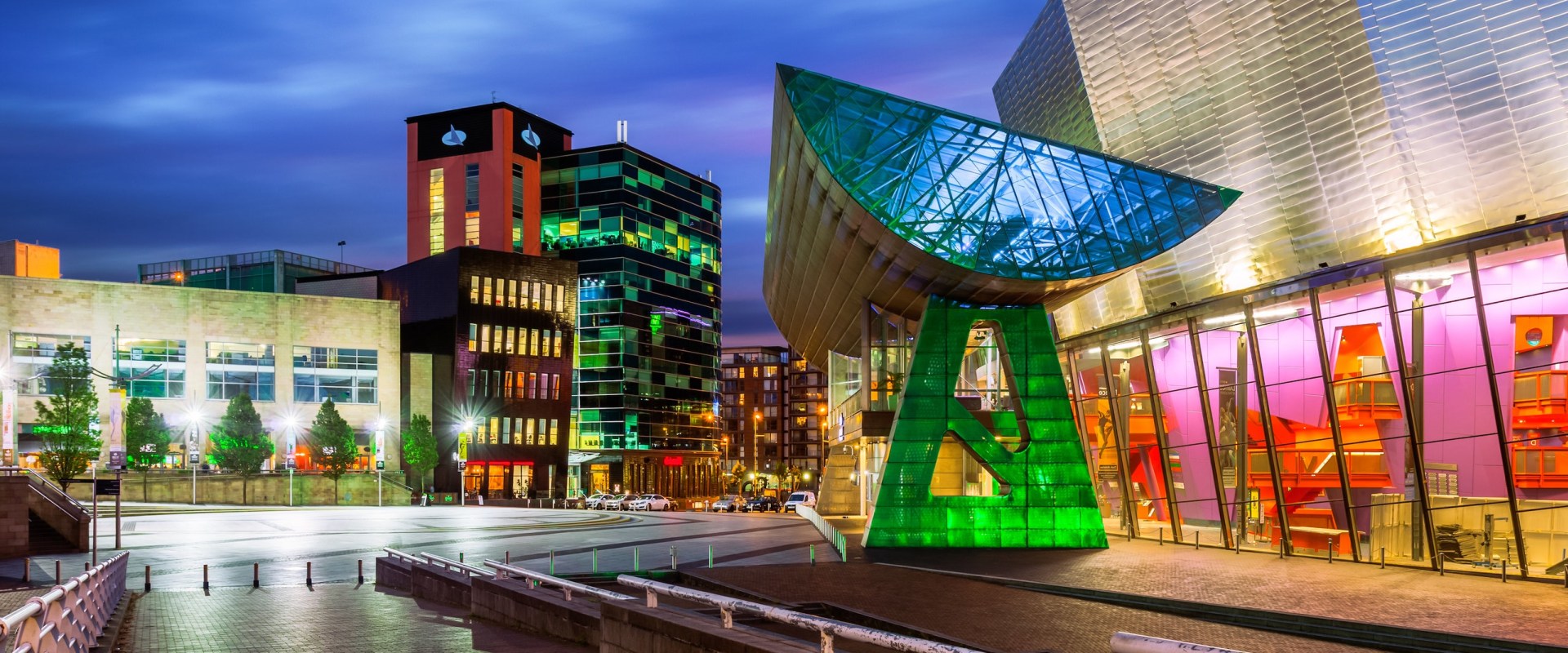
In the vibrant city of Manchester, the realm of web design is flourishing, reflecting the city's rich tapestry of creativity and innovation. As businesses increasingly recognise the importance of a strong online presence, the demand for exceptional web design in Manchester has surged. This city, known for its industrial heritage and cultural dynamism, is now home to a plethora of talented designers and agencies that are pushing the boundaries of what is possible in digital aesthetics and functionality. Additionally, those interested in creative events can find inspiration by Exploring the Music Festival in Leicester Activities. Effective web design is not merely about aesthetics; it plays a crucial role in shaping user experience and driving engagement. has surged. This city, known for its industrial heritage and cultural dynamism, is now home to a plethora of talented designers and agencies that are pushing the boundaries of what is possible in digital aesthetics and functionality. Additionally, those interested in creative events can find inspiration by Exploring the Music Festival in Leicester Activities. Effective web design is not merely about aesthetics; it plays a crucial role in shaping user experience and driving engagement.
A well-designed website serves as a digital storefront, where first impressions are formed within seconds. In Manchester, businesses are embracing modern design trends that prioritise user-centric approaches, ensuring that visitors can navigate their sites effortlessly while finding the information they need. This focus on usability is essential in today’s fast-paced digital landscape, where users expect seamless interactions and quick access to content. The best websites in Manchester exemplify this commitment to quality design. They incorporate elements such as responsive layouts, intuitive navigation, and visually appealing graphics that resonate with their target audience.
Moreover, these sites often reflect the unique character of Manchester itself—blending contemporary styles with local culture to create an authentic online experience. As we delve deeper into this guide, we will explore some of the standout examples of Manchester websites , highlighting what makes them exceptional and how they can inspire your own web design journey.
The Importance of Good Web Design
In today’s digital landscape, the significance of good web design cannot be overstated, especially for businesses operating in a vibrant city like Manchester. A well-designed website serves as the digital storefront for a company, and it is often the first point of contact between a business and its potential customers. This initial interaction can significantly influence a visitor's perception of the brand. First impressions are crucial; studies show that users form an opinion about a website within just a few seconds of landing on it.If a site appears outdated or is difficult to navigate, visitors are likely to leave and seek alternatives. Therefore, investing in quality web design is essential for establishing credibility and trust with your audience. Moreover, user engagement is directly linked to effective web design. A visually appealing and intuitive interface encourages users to explore the site further, increasing the time they spend on it. Features such as clear navigation menus, engaging visuals, and responsive design contribute to a seamless user experience.
When users find what they are looking for quickly and easily, they are more likely to engage with the content, whether that means reading articles, watching videos, or making purchases. Another critical aspect of good web design is its impact on conversion rates. A well-structured website can guide users through the sales funnel more effectively. For instance, strategically placed call-to-action buttons and forms can lead to higher conversion rates by encouraging visitors to take specific actions, such as signing up for newsletters or completing purchases. In contrast, a poorly designed site may frustrate users and result in lost sales opportunities. In conclusion, the importance of good web design in Manchester extends beyond aesthetics; it encompasses user experience, engagement, and conversion rates.
By prioritising quality web design, businesses can create a positive online presence that not only attracts visitors but also converts them into loyal customers.
Key Elements of Effective Web Design
When it comes to web design, several key elements play a crucial role in creating an effective and engaging user experience. Understanding these components can significantly enhance the functionality and aesthetic appeal of a website, particularly in a vibrant city like Manchester.1.Layout
The layout of a website is fundamental to its overall effectiveness. A well-structured layout guides users through the content seamlessly, ensuring that important information is easily accessible. Effective layouts often employ a grid system, which helps maintain visual balance and alignment.
This not only enhances the aesthetic appeal but also improves usability by allowing users to navigate the site intuitively.
2.Colour Schemes
Colour schemes are vital in establishing a website's identity and evoking emotional responses from users. The choice of colours should reflect the brand's personality while ensuring readability and accessibility. For instance, contrasting colours can highlight important buttons or calls to action, making them stand out. In Manchester, where creativity thrives, many websites utilise bold and vibrant colour palettes to capture attention and convey their unique brand stories.
3.Typography
Typography is another essential element that affects both readability and user engagement.
The selection of fonts should align with the brand's voice and be legible across various devices. A combination of font styles—such as headings, subheadings, and body text—can create a hierarchy that guides users through the content effectively. Additionally, maintaining consistent typography throughout the site reinforces brand identity.
4.Navigation
Effective navigation is crucial for enhancing user experience on any website. A clear and intuitive navigation structure allows users to find what they are looking for quickly without frustration.
This includes well-organised menus, breadcrumb trails, and search functionalities that cater to different user needs. In Manchester's competitive digital landscape, streamlined navigation can set a website apart from its competitors.
5.Mobile Responsiveness
With an increasing number of users accessing websites via mobile devices, mobile responsiveness has become a non-negotiable aspect of web design. A responsive design ensures that a website adapts seamlessly to various screen sizes, providing an optimal viewing experience regardless of the device used. This not only improves user satisfaction but also positively impacts search engine rankings, making it essential for businesses in Manchester aiming to reach a broader audience.
In conclusion, focusing on these key elements—layout, colour schemes, typography, navigation, and mobile responsiveness—can significantly enhance the effectiveness of web design in Manchester.
By prioritising these features, businesses can create websites that not only attract visitors but also provide them with an enjoyable and efficient browsing experience.
Top Web Design Trends in Manchester
As we delve into the realm of web design trends in Manchester, it becomes evident that local businesses are embracing innovative styles and technologies to create visually stunning and user-friendly websites. In 2023, several key trends have emerged that not only enhance the aesthetic appeal of websites but also significantly improve user experience and brand identity. One prominent trend is the use of minimalist design. This approach focuses on simplicity, utilising ample white space, clean lines, and a limited colour palette. Websites adopting this style often feature bold typography and high-quality images, allowing content to shine without unnecessary distractions.Local brands are recognising that a minimalist design can convey professionalism and clarity, making it easier for users to navigate their sites. Another significant trend is the integration of interactive elements. Manchester web designers are increasingly incorporating features such as animations, hover effects, and dynamic content that respond to user interactions. These elements not only engage visitors but also guide them through the website in a more intuitive manner. For instance, local e-commerce sites are using interactive product displays that allow users to see items from multiple angles or even in different settings. The rise of mobile-first design cannot be overlooked.
With an increasing number of users accessing websites via smartphones and tablets, Manchester businesses are prioritising mobile optimisation. This trend involves designing websites with mobile users in mind first, ensuring that they load quickly and function seamlessly across all devices. Responsive design techniques are being employed to adapt layouts and content dynamically based on screen size. Furthermore, the use of bold colours and gradients is making a comeback in modern web design styles. Many Manchester-based companies are opting for vibrant colour schemes that reflect their brand personality while creating an emotional connection with their audience.
Gradients add depth and dimension to backgrounds, buttons, and other elements, making websites visually striking. Lastly, sustainability in web design is gaining traction as more businesses become aware of their environmental impact. Designers are focusing on creating energy-efficient websites that reduce carbon footprints by optimising images, minimising code, and choosing eco-friendly hosting solutions. This trend not only appeals to environmentally conscious consumers but also positions brands as responsible and forward-thinking. In conclusion, the web design landscape in Manchester is evolving rapidly, with local businesses adopting these trends to enhance their online presence. By embracing minimalist designs, interactive elements, mobile-first strategies, bold colours, and sustainable practices, they are setting themselves apart in a competitive digital marketplace.
Showcasing the Best Websites in Manchester
Manchester is home to a diverse range of businesses, each showcasing unique and innovative web design.Below, we explore some of the best websites in Manchester, highlighting what makes them exemplary in terms of design and functionality.
-
1.The Whitworth
The Whitworth, a renowned art gallery, features a website that beautifully reflects its artistic ethos. The site employs a minimalist design with ample white space, allowing the artwork to take centre stage. High-resolution images and an intuitive navigation system make it easy for visitors to explore exhibitions and events. The integration of an online ticketing system enhances user experience by simplifying the booking process. -
2.Manchester Science Park
This website stands out for its modern aesthetic and user-centric design.The use of vibrant colours and engaging visuals captures the innovative spirit of the park. Clear calls-to-action guide users through the site, whether they are looking for office space or information on events. Additionally, the responsive design ensures that users have a seamless experience across all devices.
-
3.MCR Live
As a platform dedicated to Manchester's music scene, MCR Live's website is dynamic and visually striking. The homepage features bold graphics and an interactive calendar that showcases upcoming events.The site’s layout is designed for easy navigation, allowing users to quickly find information about artists, venues, and ticket sales. This focus on usability makes it a go-to resource for music lovers in the city.
-
4.Manchester Art Gallery
The Manchester Art Gallery's website is a prime example of how web design can enhance cultural engagement. With its elegant layout and rich imagery, the site invites users to explore its collections and exhibitions. Features such as virtual tours and educational resources make art accessible to a wider audience, while the clear categorisation of content ensures that visitors can easily find what they are looking for. -
5.Love Manchester
This community-focused website excels in promoting local events and initiatives.Its vibrant design reflects the city's energy, with engaging visuals and user-friendly navigation. The site includes features like event listings, local news updates, and community resources, making it an essential hub for residents and visitors alike.
Case Studies: Successful Web Design Projects in Manchester
In the vibrant city of Manchester, numerous web design projects have emerged as exemplary models of innovation and effectiveness. These case studies not only showcase the creativity of local designers but also highlight the tangible benefits that well-executed web design can bring to businesses and organisations.1.The Manchester Art Gallery
The Manchester Art Gallery recently underwent a significant redesign aimed at enhancing user engagement and accessibility.The challenge was to create a website that reflected the gallery's rich artistic heritage while also being modern and user-friendly. The solution involved a complete overhaul of the site’s navigation structure, making it intuitive for users to explore exhibitions, events, and educational resources. By implementing a responsive design, the gallery ensured that visitors could access content seamlessly across devices. The results were impressive: a 40% increase in online ticket sales and a 30% rise in visitor engagement metrics within the first three months post-launch.
2.The Co-operative Group
The Co-operative Group, a well-known retail and services organisation based in Manchester, faced challenges with their outdated website that struggled to convey their brand values effectively. The project aimed to create a cohesive online presence that aligned with their commitment to community and sustainability. The redesign focused on storytelling through visuals and content, showcasing their ethical practices and community initiatives.By integrating an e-commerce platform with user-friendly features, they improved customer experience significantly. Post-launch analytics revealed a 50% increase in online transactions and enhanced customer satisfaction ratings.
3.Manchester Metropolitan University
Manchester Metropolitan University sought to revamp its website to better serve prospective students and current staff. The primary challenge was to present vast amounts of information in an engaging manner while ensuring accessibility for all users. The solution involved creating a modular design that allowed for easy updates and content management. Features such as virtual campus tours and interactive course guides were added to enhance user experience.Following the launch, the university reported a 25% increase in applications and positive feedback regarding the site's usability from both students and faculty. These case studies exemplify how effective web design can address specific challenges while delivering measurable results. By focusing on user experience, accessibility, and brand alignment, these Manchester-based projects demonstrate the profound impact that thoughtful web design can have on an organisation's success.
Choosing a Web Design Agency in Manchester
When it comes to selecting a web design agency in Manchester , the process can be daunting, especially with the plethora of options available. However, by focusing on key factors, you can make an informed decision that aligns with your business goals.1.Review the Agency's Portfolio
One of the first steps in choosing a web design agency is to thoroughly review their portfolio. A well-curated portfolio showcases the agency's style, creativity, and versatility.
Look for:
- Diversity of Projects: Check if they have experience across various industries and project types.
- Design Quality: Assess the aesthetics and functionality of their previous work.
- User Experience: Consider how user-friendly their designs are, as this is crucial for retaining visitors.
2.Client Testimonials and Case Studies
Client feedback can provide valuable insights into an agency's reliability and effectiveness. Look for:
- Testimonials: Read reviews on their website and third-party platforms to gauge client satisfaction.
- Case Studies: Detailed case studies can illustrate how the agency tackled specific challenges and delivered results.
3.Service Offerings
Different agencies may specialise in various aspects of web design. Ensure that the agency you choose offers a comprehensive range of services that meet your needs, such as:
- Responsive Design: Essential for catering to users on mobile devices.
- SEO Services: A good design should also consider search engine optimisation to enhance visibility.
- E-commerce Solutions: If you plan to sell online, ensure they have experience in creating effective e-commerce platforms.
4.Communication and Support
A successful partnership relies on clear communication. During initial discussions, assess how responsive and transparent the agency is.
Good agencies will provide ongoing support even after the website launch, ensuring that you have assistance when needed.
5.Budget Considerations
Finally, consider your budget. While it’s important to find a quality agency, ensure that their pricing aligns with your financial capabilities. Remember that investing in a reputable web design agency in Manchester can yield significant returns through enhanced user engagement and conversion rates.
By taking these factors into account, you can confidently select a web design agency that not only meets your expectations but also helps elevate your online presence in Manchester's competitive digital landscape.
FAQs About Web Design in Manchester
When it comes to web design in Manchester, many individuals and businesses have questions that can help them navigate the complexities of creating an effective online presence. Below are some frequently asked questions that address common concerns and misconceptions about web design.What is the average cost of web design in Manchester?
The cost of web design can vary significantly based on several factors, including the complexity of the website, the experience of the designer, and the specific features required.On average, businesses in Manchester can expect to pay anywhere from £1,000 to £10,000 for a professionally designed website. Custom solutions or e-commerce platforms may incur higher costs due to additional functionalities.
How long does it take to design a website?
The timeline for designing a website can range from a few weeks to several months. A simple website may take around 4-6 weeks, while more complex sites with custom features could take 3-6 months or longer. Factors influencing this timeline include the scope of the project, client feedback cycles, and the availability of content.What should I look for in a web design agency?
When selecting a web design agency in Manchester, consider the following:- Portfolio: Review their previous work to assess their style and capabilities.
- Client Testimonials: Look for reviews or case studies that highlight their success with past clients.
- Services Offered: Ensure they provide comprehensive services, including SEO, mobile optimization, and ongoing support.
- Communication: Choose an agency that values clear communication and is responsive to your needs.
Is it necessary to have a mobile-friendly website?
Absolutely! With an increasing number of users accessing websites via mobile devices, having a mobile-friendly site is essential.A responsive design not only improves user experience but also positively impacts your search engine rankings. Google prioritizes mobile-friendly websites in its search results, making it crucial for businesses aiming to reach a wider audience.
Can I update my website myself after it’s designed?
Many web design agencies offer content management systems (CMS) that allow clients to update their websites easily. Popular platforms like WordPress enable users to manage content without needing extensive technical knowledge. However, it's advisable to receive training or guidance from your web designer to ensure you can make updates effectively without compromising the site's integrity. By addressing these common queries about web design in Manchester, businesses can make informed decisions that enhance their online presence and drive engagement with their target audience.Conclusion: The Future of Web Design in Manchester
As we draw our exploration of web design in Manchester to a close, it is essential to reflect on the dynamic landscape that characterises this vibrant city.The examples discussed throughout this article highlight not only the creativity and innovation present in Manchester's web design scene but also the importance of user experience, accessibility, and brand representation. The future of web design in Manchester is poised for exciting developments. With technology evolving at a rapid pace, designers and businesses must stay ahead of the curve by embracing new trends and tools. For instance, the integration of artificial intelligence and machine learning into web design processes can lead to more personalised user experiences, allowing businesses to cater to their audience's specific needs more effectively. Moreover, as mobile usage continues to dominate internet traffic, responsive design will remain a critical focus. Websites must not only look good on desktop but also provide seamless experiences on smartphones and tablets.
This shift towards mobile-first design is not just a trend; it is a necessity for businesses aiming to reach a broader audience. Another significant aspect of the future of web design in Manchester is sustainability. As environmental concerns grow, designers are increasingly tasked with creating eco-friendly websites that minimise energy consumption and promote sustainable practices. This could involve optimising images for faster loading times or using green hosting services that rely on renewable energy sources. In conclusion, the journey of web design in Manchester is one of continuous evolution. Businesses that recognise the importance of innovative practices and adapt to changing technologies will undoubtedly thrive in this competitive landscape.
By prioritising user experience, embracing new technologies, and committing to sustainability, Manchester can solidify its reputation as a hub for exceptional web design. As we look ahead, it is clear that the potential for growth and innovation in Manchester's web design sector is limitless. Companies should seize this opportunity to enhance their online presence and engage with their audiences in meaningful ways.