Exploring the Latest Web Design Trends in Manchester
Discover the latest web design trends in Manchester, from minimalism to mobile-first design, and how they enhance user experience.
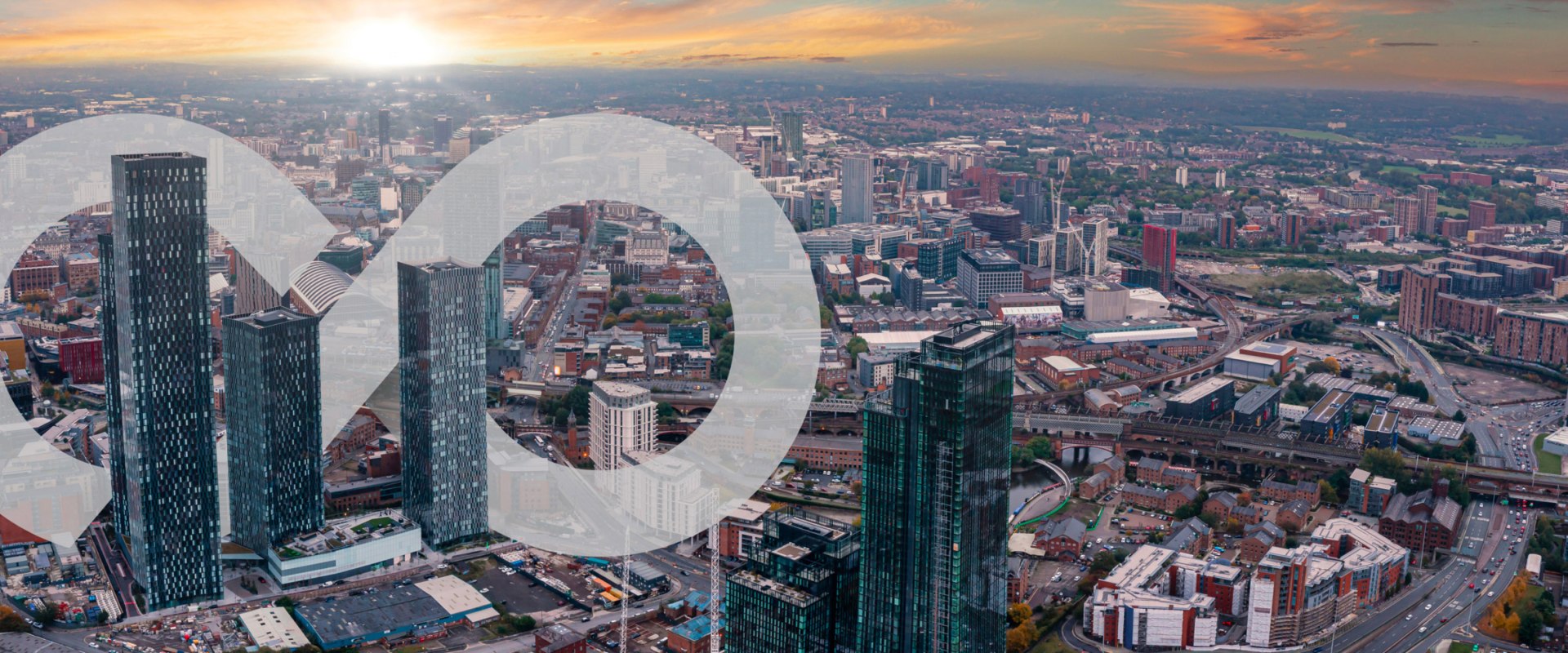
Manchester, a city renowned for its rich industrial heritage and vibrant cultural scene, has emerged as a significant player in the realm of web design. As the digital landscape continues to evolve, Manchester's creative community is at the forefront, driving innovation and setting trends that resonate far beyond its borders. In this dynamic environment, much like The Most Popular Tile Shapes in London influence interior design trends, the city's unique blend of artistic flair and technological advancement fosters experimentation and creativity in . As the digital landscape continues to evolve, Manchester's creative community is at the forefront, driving innovation and setting trends that resonate far beyond its borders. In this dynamic environment, much like The Most Popular Tile Shapes in London influence interior design trends, the city's unique blend of artistic flair and technological advancement fosters experimentation and creativity in web design . The significance of Manchester web design cannot be overstated. With a burgeoning tech industry and a plethora of creative agencies, the city is home to a diverse range of professionals who are pushing the boundaries of what is possible online.
From startups to established enterprises, businesses in Manchester are increasingly recognising the importance of having a strong online presence, leading to a surge in demand for cutting-edge web design solutions. As we delve into the latest web design trends shaping Manchester, it becomes clear that these trends are not merely aesthetic choices; they reflect deeper shifts in user behaviour and technological advancements. The emphasis on user experience, accessibility, and mobile optimisation is transforming how websites are designed and developed. In this dynamic environment, understanding these trends is essential for businesses looking to thrive in an increasingly competitive digital marketplace. In the following sections, we will explore specific trends that are defining the web design landscape in Manchester. From minimalism to bold colour palettes, each trend offers insights into how local businesses are adapting to meet the needs of their audiences while showcasing their unique brand identities.
Join us as we uncover the innovative approaches that are making waves in Manchester's web design scene.
The Rise of Minimalism in Web Design
In the bustling city of Manchester, the trend of minimalism in web design has gained significant traction among businesses seeking to create a strong online presence. This design philosophy is rooted in the idea that less is more, focusing on simplicity and functionality to enhance user experience. At its core, minimalism emphasizes the use of negative space , which refers to the empty areas surrounding design elements. By strategically incorporating negative space, designers can draw attention to key content and create a sense of balance and harmony within the layout. This approach not only makes websites visually appealing but also allows users to navigate with ease, reducing cognitive overload. Another fundamental aspect of minimalist web design is the careful selection of typography.Clean, sans-serif fonts are often preferred for their legibility and modern aesthetic. In Manchester, businesses are increasingly opting for typography that complements their brand identity while ensuring that text remains easy to read across various devices. The combination of well-chosen fonts and ample white space contributes to a polished and professional look. The appeal of minimalist websites extends beyond aesthetics; it significantly enhances user experience. In an age where attention spans are dwindling, users appreciate websites that load quickly and present information clearly.
By eliminating unnecessary elements and distractions, businesses can guide visitors toward their desired actions—whether that’s making a purchase, signing up for a newsletter, or simply exploring content. Moreover, minimalism aligns perfectly with the growing demand for responsive design. As more users access websites via mobile devices, having a clean and straightforward layout ensures that content remains accessible and engaging on smaller screens. This adaptability is crucial for Manchester businesses aiming to reach a diverse audience. In conclusion, the rise of minimalism in web design within Manchester reflects a broader shift towards prioritising user-centric experiences. By embracing principles such as negative space, thoughtful typography, and streamlined navigation, businesses can create impactful websites that resonate with their target audience while showcasing their professionalism and creativity.
Mobile-First Design: A Necessity for Modern Websites
In the rapidly evolving digital landscape, mobile-first design has emerged as a critical strategy for businesses in Manchester.With an increasing number of users accessing websites via smartphones and tablets, prioritising mobile optimization is no longer just a trend; it is a necessity. This shift towards mobile-first design ensures that websites are not only visually appealing but also functional and user-friendly on smaller screens. One of the primary reasons for adopting a mobile-first approach is the significant impact it has on user experience. Websites designed with mobile users in mind tend to load faster, have simplified navigation, and offer content that is easy to read on smaller displays. This focus on usability directly correlates with higher engagement rates, as visitors are more likely to stay on a site that provides a seamless browsing experience. Moreover, search engines like Google have adapted their algorithms to favour mobile-friendly websites.
In fact, Google’s mobile-first indexing means that the mobile version of a website is considered the primary version for ranking purposes. This change has prompted many businesses in Manchester to rethink their web design strategies, ensuring that their sites are optimised for mobile devices to improve their visibility in search results. To effectively implement a mobile-first design, businesses should consider the following key elements:
- Responsive Design: A responsive design allows websites to adapt to various screen sizes and orientations, providing an optimal viewing experience across all devices.
- Simplified Navigation: Mobile users benefit from straightforward navigation menus that are easy to access and use with touch gestures.
- Fast Loading Times: Optimising images and minimising code can significantly reduce loading times, which is crucial for retaining mobile visitors.
- Touch-Friendly Elements: Buttons and links should be large enough to be easily tapped without zooming in, enhancing usability on touch screens.
Creating Interactive and Engaging Websites
In the ever-evolving landscape of web design in Manchester, the shift towards creating interactive and engaging websites has become a defining trend.This approach not only captivates users but also enhances their overall experience, making it a crucial element for businesses aiming to stand out in a competitive market. Interactive web design incorporates various features that encourage user participation and engagement. These can include:
- Animations: Subtle animations can guide users through a website, drawing attention to key areas and making navigation more intuitive. For instance, hover effects on buttons or images can provide immediate feedback, enhancing the user's sense of control.
- Videos: Integrating videos into web pages can significantly boost engagement. Whether it's a background video that sets the tone or a product demonstration, video content can convey information quickly and effectively, keeping visitors on the site longer.
-
Interactive Elements: Features such as quizzes, polls, or interactive infographics allow users to engage directly with the content.
This not only makes the browsing experience more enjoyable but also encourages users to spend more time on the site.
- Dynamic Content: Websites that adapt their content based on user interactions or preferences create a personalised experience. This could involve showing different products based on previous searches or tailoring content to reflect user interests.
Search engines increasingly favour sites that keep users engaged for longer periods, as this is often indicative of quality content. Therefore, businesses in Manchester that invest in interactive web design not only enhance user experience but also improve their visibility in search engine results. In conclusion, the trend towards creating interactive and engaging websites is reshaping the digital landscape in Manchester. By embracing animations, videos, and other interactive elements, businesses can create memorable online experiences that resonate with users and set them apart from competitors.
Bold and Vibrant Colour Schemes
In the vibrant city of Manchester, the use of bold and vibrant colours in web design has become a defining characteristic that reflects the city's eclectic culture and artistic spirit. This trend is not merely about aesthetics; it serves as a powerful tool for businesses to create memorable online experiences that resonate with their audience. Manchester's rich history in music, art, and innovation has fostered a creative environment where businesses are encouraged to express their identity through colour schemes.The city’s diverse cultural influences inspire designers to experiment with a wide palette, resulting in websites that are not only visually striking but also deeply engaging. Utilising vibrant colours can significantly enhance a website's appeal. Here are some key reasons why businesses in Manchester should consider adopting this trend:
- Brand Identity: Bold colours can help establish a strong brand identity. By choosing colours that reflect the essence of their business, companies can create a unique visual language that sets them apart from competitors.
- Emotional Connection: Colours evoke emotions and can influence user behaviour. For instance, warm colours like red and orange can create feelings of excitement and urgency, while cooler tones like blue and green can convey trust and calmness.
-
Memorability: A website that employs striking colour combinations is more likely to leave a lasting impression on visitors.
This memorability can translate into increased brand recognition and customer loyalty.
- User Engagement: Interactive elements combined with bold colours can enhance user engagement. For example, using vibrant buttons or calls-to-action can draw attention and encourage users to take desired actions.
Accessibility and Inclusivity in Web Design
In the vibrant city of Manchester, where diversity thrives, the significance of accessibility and inclusivity in web design cannot be overstated.As businesses strive to connect with a broad audience, ensuring that their websites are accessible to all users, regardless of their abilities, is not just a legal obligation but a moral imperative. Accessible web design involves creating websites that can be easily navigated and understood by everyone, including individuals with disabilities. This encompasses a range of features and practices that enhance usability for people with visual, auditory, motor, or cognitive impairments. Here are some essential elements that contribute to an accessible website:
- Alternative Text for Images: Providing descriptive alt text for images allows screen readers to convey the content of visuals to users who are blind or have low vision.
- Keyboard Navigation: Ensuring that all interactive elements can be accessed using a keyboard is crucial for users who cannot use a mouse.
- Clear and Consistent Layout: A logical structure and consistent navigation help all users, especially those with cognitive disabilities, to understand and use the website effectively.
- Color Contrast: High contrast between text and background colors improves readability for users with visual impairments.
- Captions and Transcripts: Providing captions for videos and transcripts for audio content ensures that users who are deaf or hard of hearing can access the information.
By making their websites user-friendly, they demonstrate an understanding of their audience's needs and foster brand loyalty. Moreover, accessible websites often lead to improved overall user experience. When barriers are removed, all users can navigate sites more easily, leading to increased engagement and conversion rates. This is particularly important in competitive markets where every interaction counts. In conclusion, as Manchester continues to evolve as a hub of innovation and creativity, embracing accessibility and inclusivity in web design will be essential for businesses aiming to thrive in this dynamic environment. By investing in accessible web design practices, companies not only comply with regulations but also champion diversity and inclusion, setting themselves apart in the marketplace.
Integrating Social Media into Web Design
In the digital landscape of Manchester, the integration of social media into web design has become a pivotal strategy for businesses aiming to enhance their online presence.As social media platforms continue to dominate the way people communicate and share information, businesses are recognising the importance of incorporating these channels into their websites to foster engagement and connectivity. One of the most effective ways to achieve this is through the use of social media feeds. By embedding live feeds from platforms such as Instagram, Twitter, or Facebook directly onto their websites, businesses can showcase real-time updates, user-generated content, and community interactions. This not only keeps the website dynamic but also encourages visitors to engage with the brand on multiple platforms. For instance, a local café in Manchester might display its latest Instagram posts featuring customer experiences, enticing new visitors to check out their offerings. Another essential feature is the inclusion of share buttons.
These buttons allow users to easily share content from the website across their social media profiles, amplifying reach and visibility. When a visitor shares a blog post or product page on their social media account, it acts as a personal endorsement, which can significantly influence their followers' perceptions and drive traffic back to the original site. This is particularly beneficial for e-commerce businesses in Manchester looking to expand their customer base. Moreover, integrating social media login options can streamline user experience. By allowing users to sign up or log in using their social media accounts, businesses can reduce barriers to entry and encourage more visitors to engage with their content.
This not only simplifies the registration process but also enables businesses to gather valuable data about their audience's preferences and behaviours. In addition to these features, Manchester businesses are also leveraging social media analytics tools to track engagement metrics. Understanding how users interact with social media content on their websites can provide insights into what resonates with their audience. This data-driven approach allows for continuous improvement in both web design and marketing strategies. Ultimately, the integration of social media into web design is not just about adding flashy buttons or feeds; it’s about creating a cohesive online ecosystem that encourages interaction and builds community. As Manchester continues to thrive as a hub for innovation and creativity, businesses that effectively harness the power of social media within their web design will undoubtedly stand out in a competitive market.
Personalisation and Customisation Trends
In the ever-evolving landscape of web design in Manchester, the trend of personalisation and customisation has emerged as a powerful tool for businesses aiming to enhance user engagement and satisfaction.By leveraging data analytics, companies are now able to create tailored web experiences that resonate with individual users, fostering deeper connections and encouraging brand loyalty.
Personalisation involves using data collected from user interactions to deliver content that is relevant to each visitor. This can include personalised product recommendations, targeted marketing messages, and customised user interfaces. For instance, an e-commerce site might analyse a user's browsing history and suggest products based on their previous searches or purchases. This not only improves the user experience but also increases the likelihood of conversion.
Customisation
, on the other hand, allows users to modify their experience according to their preferences.
This could involve changing the layout of a website, selecting themes, or even adjusting content visibility. By providing options for customisation, businesses in Manchester empower users to create a browsing experience that feels uniquely theirs, which can significantly enhance user satisfaction. The integration of AI in web design has further revolutionised personalisation and customisation. AI algorithms can analyse vast amounts of data at lightning speed, identifying patterns and preferences that may not be immediately apparent. For example, AI can help predict what content a user is likely to engage with based on their behaviour across multiple platforms.
This predictive capability allows businesses to proactively tailor their offerings, ensuring that users are presented with the most relevant information at the right time. Moreover, AI-driven chatbots are becoming increasingly common on websites, providing real-time assistance and personalised interactions. These chatbots can learn from user interactions, improving their responses over time and offering a more engaging experience for visitors. As Manchester continues to thrive as a hub for innovation in web design, businesses that embrace personalisation and customisation will likely see significant benefits. By creating tailored experiences that cater to individual needs and preferences, they not only enhance user satisfaction but also build lasting relationships with their audience.
Conclusion: The Future of Web Design in Manchester
As we look towards the future of web design in Manchester , it is clear that the city is poised to remain a leader in innovative and cutting-edge design practices. The trends we have explored, from minimalism to personalization, not only reflect the evolving preferences of users but also highlight the unique character of Manchester's vibrant creative community. Businesses in Manchester are increasingly adopting minimalist design principles, focusing on clean aesthetics that enhance user experience.This trend is not merely about aesthetics; it is about creating functional websites that allow users to navigate effortlessly. By prioritising simplicity, companies can effectively communicate their brand message without overwhelming visitors. The shift towards mobile-first design is another critical trend that will shape the future of web design in Manchester. With mobile devices becoming the primary means of accessing the internet, businesses must ensure their websites are optimised for smaller screens. This approach not only improves user experience but also aligns with search engine optimisation strategies, as search engines increasingly favour mobile-friendly sites. Moreover, the integration of interactive elements into web design is set to become more prevalent.
As users seek engaging experiences, businesses that incorporate animations, videos, and interactive features will stand out in a crowded digital landscape. This trend is particularly relevant for creative industries in Manchester, where storytelling through design can significantly enhance brand identity. As we embrace bold and vibrant colours, businesses can leverage this trend to express their unique personality and connect with their audience on a deeper level. The eclectic culture of Manchester provides a rich palette for designers to experiment with colour schemes that resonate with local and global audiences alike. Finally, the emphasis on accessibility and inclusivity will continue to grow. As more businesses recognise the importance of catering to all users, incorporating features that enhance accessibility will not only improve user experience but also foster a positive brand image. In conclusion, to stay ahead in the competitive landscape of web design in Manchester , businesses must remain adaptable and open to embracing these trends.
By focusing on user-centric design principles and leveraging the unique cultural aspects of Manchester, companies can create websites that are not only visually appealing but also functional and inclusive. The future of web design in this dynamic city looks bright, and those who innovate will undoubtedly thrive.